Your Guide to Smile Correction With Cosmetic Dentistry Bakersfield CA

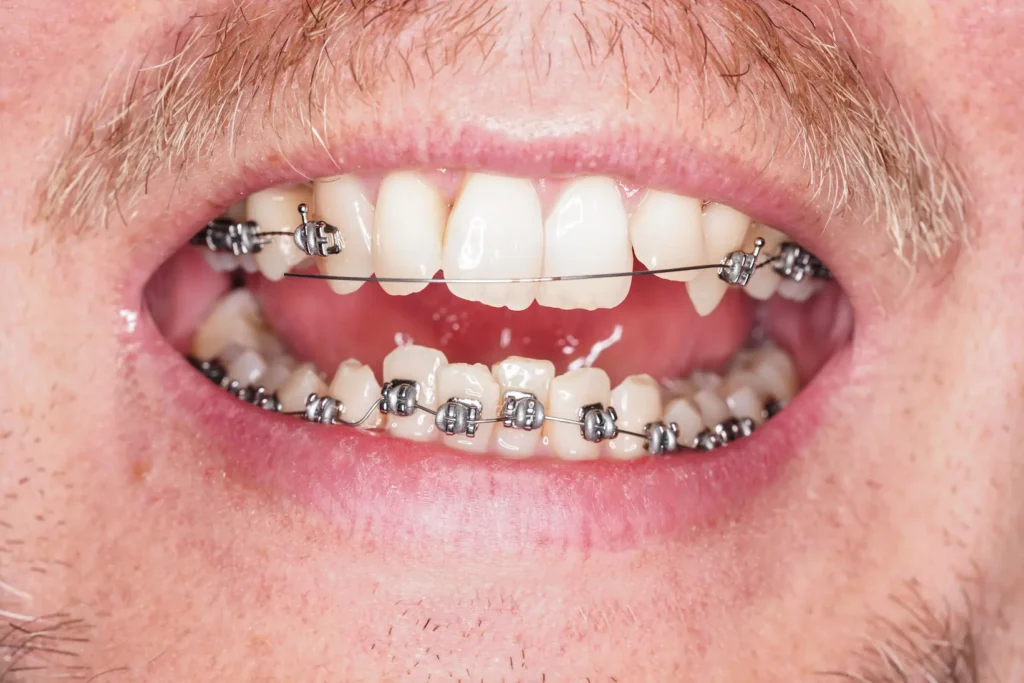
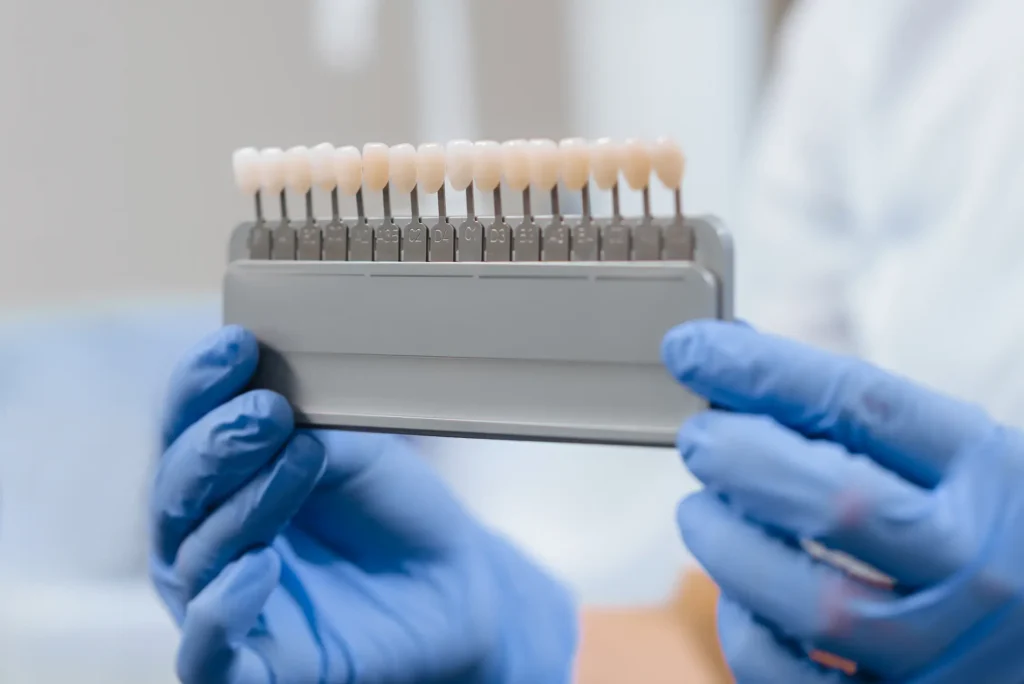
A smile can affect far more than appearance. It shapes first impressions, influences Cosmetic Dentistry Bakersfield CA confidence at work, and often changes the way a person speaks, laughs, and even poses for photographs. In practice, smile correction is rarely about vanity alone. Most people who look into cosmetic treatment are trying to solve something specific: a front tooth that chips every few months, stains that whitening strips never touch, uneven edges that make teeth look older, or spaces that draw the eye before anything else.
If you are exploring Cosmetic Dentistry Bakersfield CA, it helps to know that smile correction is not one single treatment. It is a planning process. A good cosmetic result comes from matching the right procedures to the condition of your teeth, your bite, your facial features, and your budget. That sounds straightforward, but it is where many patients either get a result they love for years or one they regret after a few months.
The difference usually comes down to diagnosis, communication, and restraint. The best cosmetic work tends to look like nothing was done at all. Teeth appear healthier, brighter, and more balanced, but not artificial. That level of result takes judgment, not just equipment.
What smile correction actually means
Smile correction refers to improving the appearance of teeth and gums while keeping function in view. Some patients need a single procedure, such as bonding on one chipped tooth. Others need a combination of whitening, gum contouring, orthodontics, and veneers to create harmony across the whole smile.
Most concerns fall into a few broad categories. Color problems include yellowing, darkening after trauma, and stains from tetracycline, coffee, tea, wine, or tobacco. Shape issues include chips, worn edges, peg-shaped laterals, and teeth that appear too short. Alignment concerns range from mild crowding and small gaps to more obvious bite problems. Then there are proportion issues, where the teeth themselves may be healthy, but the smile looks gummy, uneven, or visually heavy on one side.
A common misconception is that every cosmetic problem should be fixed with veneers. Veneers are excellent in the right situation, but they are not the answer to everything. If a patient’s main concern is one rotated tooth, minor orthodontics may preserve more enamel and provide a more stable result. If the issue is generalized staining, professional whitening may deliver the change they wanted at a fraction of the cost.
That is why consultation matters. Smile correction should begin with a close look at existing restorations, gum health, enamel thickness, bite force, habits like clenching, and the patient’s expectations. A person who wants a subtle refinement needs a very different plan from someone who wants a dramatically brighter, more sculpted look.
The first appointment should feel more like planning than selling
A strong cosmetic consultation does not move Cosmetic Dentistry Bakersfield CA Toothworks of Bakersfield, Dentist and Orthodontist straight into pricing and scheduling. It starts with questions. What bothers you when you look at your smile? Do you dislike the color, the symmetry, the length, or all three? When did you first notice it? Are you preparing for a wedding, a career change, or simply tired of hiding your teeth?
The dentist should also ask about clenching, grinding, sensitivity, previous bonding, old crowns, smoking history, and any orthodontic treatment in the past. These details matter. For example, someone who clenches heavily can break beautifully done bonding if no bite protection is planned. A patient with gum inflammation may need periodontal treatment before any cosmetic work begins. A single old crown on a front tooth may not respond to whitening the way natural teeth do, which changes how the final color match is handled.
Photography often plays a major role. Clear photos of the smile at rest, in a full smile, and from several angles reveal asymmetries that are easy to miss in conversation. Digital imaging can be useful, though it should be treated as a planning aid, not a guarantee. Teeth do not behave like pixels. Light reflects differently on real enamel, and small changes in contour can completely alter the final appearance.
In many cases, the best cosmetic dentists in Bakersfield will recommend starting with health and function. If there is decay, gum disease, or unstable bite wear, those problems need attention first. Cosmetic treatment lasts longer and looks better when the foundation is sound.
The most common smile correction options
Different tools solve different problems. Understanding what each one can and cannot do will save you frustration.
Professional whitening
Whitening is usually the simplest entry point. It works well for many people with natural teeth stained by age, food, drink, or smoking. In-office whitening can produce a noticeable lift quickly, while take-home trays often give more controlled results over one to two weeks. Some patients combine both.
Whitening has limits. Crowns, veneers, and most tooth-colored fillings do not whiten. Deep internal discoloration may improve only partially. Sensitivity is common but usually temporary. For patients with exposed root surfaces or very thin enamel, whitening may need to be modified or approached gradually.
Still, when appropriate, whitening can be surprisingly effective. A patient who thought she needed veneers may realize that brighter enamel and slight recontouring of edges give her the fresh, clean look she wanted.
Dental bonding
Bonding uses composite resin to repair chips, close small spaces, reshape teeth, or soften irregular edges. It is conservative and often completed in one visit. When done well, it can look remarkably natural.
Bonding is technique-sensitive. Surface texture, color layering, and polish determine whether the result disappears into the smile or stands out. Bonding also tends to stain and wear more quickly than porcelain, especially in patients who drink a lot of coffee or grind their teeth.
For the right case, though, it is hard to beat. A tiny gap between front teeth, a chipped incisor, or a tooth that looks slightly shorter than its neighbor can often be corrected beautifully without major drilling.
Veneers
Porcelain veneers are thin shells bonded to the front of teeth to improve color, shape, length, and overall uniformity. They are one of the most powerful tools in cosmetic dentistry because they can correct multiple concerns at once.
They also require discipline in planning. Veneers should fit the face, lip line, and age of the patient. Overly opaque, overly white, or oversized veneers can dominate the smile and draw the wrong kind of attention. Natural-looking veneers have variation, translucency, and contour. They do not look flat under bright light.
A point many patients appreciate only later is that veneers are not purely cosmetic ornaments. They become part of the bite. Their edges must be designed to handle speech, chewing, and night grinding if present. Cases fail when appearance is planned but function is ignored.
Clear aligners and minor orthodontics
When alignment is the real issue, moving teeth is often the more conservative option. Clear aligners can close spaces, reduce mild crowding, level uneven edges, and place teeth in positions that require less reshaping later.
This route takes more time, but it can preserve healthy enamel. It also creates better symmetry for whitening, bonding, or veneers afterward. A slight rotation or overlap may not sound dramatic, yet once corrected, the entire smile can look cleaner and more balanced.
Crowns and replacement of older dental work
Sometimes the cosmetic issue is not natural tooth structure at all, but aging restorations. Dark margins around old crowns, mismatched front teeth, bulky porcelain from previous work, or patchy bonding can make a smile look tired. Replacing outdated restorations can transform the smile while also improving health and durability.
This is especially relevant when people search for Cosmetic Dentistry Bakersfield CA after years of patchwork dental care. A coordinated plan often replaces visible mismatches with restorations that share the same color, translucency, and proportions.
Why the best results often use more than one treatment
Single-procedure marketing can be tempting. Real smiles are more nuanced. It is common to sequence care. A patient may start with aligners to correct crowding, then whiten, then place two veneers on undersized lateral incisors. Another may need gum contouring before bonding because the gum line, not the teeth themselves, is causing the asymmetry.
This staged approach usually gives a more natural result and can spread costs over time. It also gives room to reassess. After alignment and whitening, a patient may decide fewer veneers are needed than originally expected. That kind of conservative shift is often a sign of thoughtful care.
The role of facial harmony, not just straight white teeth
A technically perfect set of bright teeth can still look wrong if it ignores the face. Cosmetic dentistry works best when the dentist studies how the smile fits the lips, the width of the face, the visible gum line, and the patient’s age and personality.
Younger teeth often have more texture and translucency at the edges. Mature smiles usually suit slightly softer brightness and contour. Some people want glamorous polish. Others want to look like the best version of themselves, not like someone else. Both goals are valid, but they require different design choices.
This is one reason many experienced dentists take shade in different lighting and review photos with the patient before finalizing treatment. A color that looks ideal under operatory lights can appear too stark outdoors. Likewise, length changes that seem minor on a model can alter speech or lip support in real life.
A memorable case pattern involves patients asking for “perfectly even” front teeth when one central incisor is naturally dominant or one side of the smile sits slightly higher. Chasing mathematical perfection can erase character and make the result look manufactured. Gentle balance tends to age better than rigid symmetry.
Questions worth asking at a cosmetic consultation
A cosmetic consultation should leave you more informed, not more pressured. If you are comparing options, a few practical questions can reveal a lot about the quality of planning.
- What are the most conservative options for my case?
- Which parts of my smile concern are cosmetic, and which are functional?
- How long can I expect this treatment to last, and what could shorten that lifespan?
- Will whitening affect my existing crowns or fillings?
- If I grind my teeth, how will you protect the final result?
These questions often shift the conversation from sales language to clinical judgment. A strong provider should be able to explain trade-offs clearly. Bonding may save enamel but require more maintenance. Veneers may create a bigger transformation but involve more commitment. Orthodontics may take longer but preserve tooth structure. There is no universal best answer, only the best fit for a specific mouth and a specific person.
Costs, longevity, and the value question
Cosmetic dentistry is often discussed in terms of price alone, but value depends on durability, maintenance, and how much treatment is truly necessary. Whitening is usually the least expensive and easiest to refresh. Bonding often sits in a moderate range but may need polishing, repair, or replacement sooner. Veneers and crowns cost more upfront, yet their longevity can justify that investment when they are well planned and cared for.
Longevity varies with habits and materials. A patient who opens packages with his teeth, skips night guards, and drinks staining beverages all day will not get the same lifespan from bonding or porcelain as someone with gentler habits. That is not a moral issue, just reality.
It also matters whether the treatment plan is stable. Redoing visible cosmetic work every few years because the bite was not addressed can cost far more than choosing a comprehensive plan from the start. One of the quiet truths in cosmetic dentistry is that cheap work often becomes very expensive repair work.
Bakersfield-specific considerations that matter more than people expect
Climate and lifestyle in Bakersfield can affect oral health habits. Dry conditions can worsen dry mouth in some patients, especially those on certain medications. Reduced saliva increases stain retention and can raise cavity risk around cosmetic restorations. Agricultural work, shift schedules, and long commutes may also shape how practical follow-up care is. A treatment plan should fit the patient’s life, not just the ideal calendar.
For patients active in sports or physically demanding work, protection matters. A beautifully corrected smile can be damaged quickly without a proper mouthguard or night guard. This is not glamorous advice, but it is some of the most important advice a cosmetic patient can hear.
Local access also matters. When choosing a provider for Cosmetic Dentistry Bakersfield CA, convenience is not the only factor, but it matters more than many people admit. Cosmetic care often includes follow-up visits for shade checks, bite adjustments, polishing, or final refinements. A plan that requires reasonable access to the office is easier to maintain well.
How to tell whether a proposed smile makeover is too aggressive
Patients often assume more dramatic treatment means better treatment. Not always. There are warning signs when a plan may be too aggressive for what you actually need.
If minor crowding is being treated as a veneer case without discussing alignment, pause. If healthy enamel is being reduced across many front teeth to solve a color issue that whitening could address, pause again. If every smile is being sold the same ultra-bright, ultra-uniform look, that is another red flag.
A careful dentist explains what can be preserved. They show where the limitations are. They talk about maintenance before they talk about glamour shots. They do not dismiss the possibility of doing less.
This conservative mindset often leads to the best long-term aesthetics. Natural enamel has a vitality that no material fully duplicates. The more of it you can keep while still meeting your goals, the better.
Recovery, adjustment, and what patients often do not expect
Most cosmetic treatments are easier physically than people fear, but there is still an adjustment period. Whitening can trigger short-lived sensitivity. Bonding may feel slightly different on the tongue for a day or two. New veneers or crowns may seem more prominent at first, even when they are properly designed. Speech usually normalizes quickly, but certain sounds may feel unusual for a few days if length or edge position changed.
Emotionally, the adjustment can be just as real. Even a beautiful result can feel surprising when you have looked at the same smile for decades. Some patients love it immediately. Others need a week or two before the new appearance feels like their own. That reaction is common and does not necessarily mean something is wrong.
Good follow-up care helps here. Small bite refinements, polishing, or edge adjustments can make a large difference in comfort and confidence.
Caring for your new smile so it keeps looking intentional
Once the cosmetic work is complete, maintenance becomes the quiet part of success. Most failures are not dramatic. They happen gradually through stain buildup, gum inflammation, night grinding, or missed hygiene visits.
A few habits make a meaningful difference:
- Use a night guard if your dentist recommends one.
- Keep regular cleanings and exams on schedule.
- Limit habits that chip teeth, such as chewing ice or opening objects.
- Ask before using abrasive whitening products at home.
- Address small chips or rough edges early, before they worsen.
The best cosmetic dentistry should not lock you into high drama maintenance, but it does ask for consistency. Think of it less like preserving a showroom finish and more like protecting a well-tailored suit. Routine care keeps everything looking intentional.
Choosing the right provider in Bakersfield
Credentials matter, but so does aesthetic philosophy. Some dentists excel at subtle refinement. Others specialize in high-impact smile makeovers. You want the doctor whose style aligns with your goals, not just the one with the best before-and-after gallery lighting.
Look for clear communication, realistic expectations, and evidence that the dentist considers function alongside beauty. Ask to see cases similar to yours, not just the most dramatic transformations. A patient with one discolored front tooth needs a different kind of skill than a patient seeking eight veneers.
It is also wise to notice how the office discusses alternatives. When a team can explain why they would choose whitening before veneers, or aligners before crowns, that usually reflects a thoughtful clinical culture. If every conversation circles back to the most expensive option, trust your instincts.
The right smile correction should still feel like you
The strongest cosmetic outcomes rarely announce themselves. They restore ease. You smile without thinking about which side to show. You stop covering your mouth in photos. You laugh more freely because the distracting detail is gone.
That is the real aim of smile correction. Not a generic ideal, not a one-size-fits-all makeover, but a smile that fits your face, your function, and your life. If you are considering Cosmetic Dentistry Bakersfield CA, take the time to find a plan that respects both aesthetics and biology. The best work is not simply brighter or straighter. It is measured, durable, and believable.
When a dentist combines technical skill with restraint, smile correction can be one of the most satisfying changes a patient makes. Not because it creates a different person, but because it removes the visual noise that kept them from showing up fully as themselves.
Toothworks of Bakersfield, Dentist and Orthodontist
Address: 1030 H St #1, Bakersfield, CA 93304
Phone number: +16613239421
FAQ About Cosmetic Dentistry Bakersfield CA
What is considered cosmetic dentistry?
Cosmetic dentistry includes any dental treatment focused primarily on improving the appearance of your teeth, gums, or bite rather than treating a disease or restoring basic function.
How much does cosmetic dentistry usually cost?
The cost of cosmetic dentistry typically ranges from a few hundred dollars for minor touch-ups to over $20,000 for a comprehensive smile makeover, depending entirely on the specific procedure, materials used, and how many teeth are treated. Because most cosmetic treatments are elective, they are usually paid out of pocket without insurance coverage.
Is there a difference between a regular dentist and a cosmetic dentist?
Yes, a regular dentist focuses on your overall oral health and preventing disease, while a cosmetic dentist focuses on improving the look of your smile.